
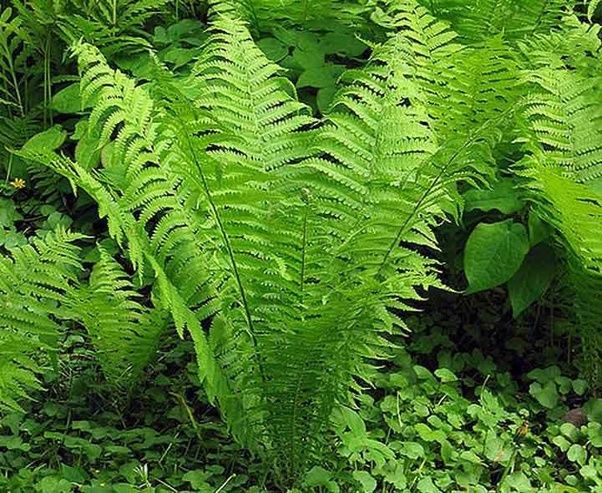
Are Ferns Vascular Plants
Are Ferns Vascular Plants. Ferns are seedless, vascular plants. There are over 10,500 identified species of ferns.
It is one of two genera in the family psilotaceae, the other being tmesipteris. The steles—cylinders of vascular tissues in the centres of fern stems—exhibit somewhat diverse patterns. Pteridophytes don’t produce cones, flowers, or fruit, unlike these seed plants.
They Are Considered The Most Advanced Seedless Vascular Plants And Display Characteristics Commonly Observed In Seed Plants.
Ferns are simultaneously involved in promoting rock. In seedless vascular plants, such as ferns and horsetails, the plants reproduce using haploid, unicellular spores instead of seeds. These plants are seedless plants, but unlike the bryophytes, they do have vascular tissue (xylem and phloem).
Fern, (Class Polypodiopsida), Class Of Nonflowering Vascular Plants That Possess True Roots, Stems, And Complex Leaves And That Reproduce By Spores.
Fern, (class polypodiopsida), class of nonflowering vascular plants that possess true roots, stems, and complex leaves and that reproduce by spores. Also to know, why is a ferns a vascular plant? The ferns constitute an ancient division of vascular plants, some of them as old as the carboniferous period (beginning about 358.9 million years ago) and perhaps older.
Although Ferns And Fern Allies Have Vascular Tissue, They Exhibit A Vastly Different Form Of Reproduction As Other Vascular Plants, Gymnosperms And Angiosperms.
Some species of ferns release spores that can cause poisoning through oral ingestion. Ferns are primitive plants that have no flowers or seeds and reproduce by spores. They differ from those in tmesipteris in having stems with many branches and.
Blade Is Called A Frond And The Petioles As Stipes.!
In seedless vascular plants, such as ferns and horsetails, the plants reproduce using haploid, unicellular spores instead of seeds. There are over 10,500 identified species of ferns. A popular landscape and houseplant due to it’s tropical look, families with children and pets will need to do their research before selecting a fern.
In Contrast, Whisk Ferns , The Psilophytes, Lack Both Roots And Leaves,.
Being tall is only possible for plants with a highly developed vascular system for transporting materials between the roots and the shoot,. The first type of vascular tissue, xylem, is responsible for moving water and nutrients throughout the plant. More than 20,000 species of ferns live in environments ranging from tropics to temperate forests.