
Dorsi And Plantar Flexion
Dorsi And Plantar Flexion. Flexion and extension of the foot. Sit on a bed or on the floor with your legs straight.
Dorsiflexion and plantar flexion are two different movements that can occur at the hand or at the foot. Base of the distal phalanges of each of lateral four toes • note: Be sure to check out this article to learn all about this important motion of the.
Plantar Flexion Is The Opposite Of Dorsiflexion And Involves Moving The Foot In A Downward Direction, Toward The Ground.
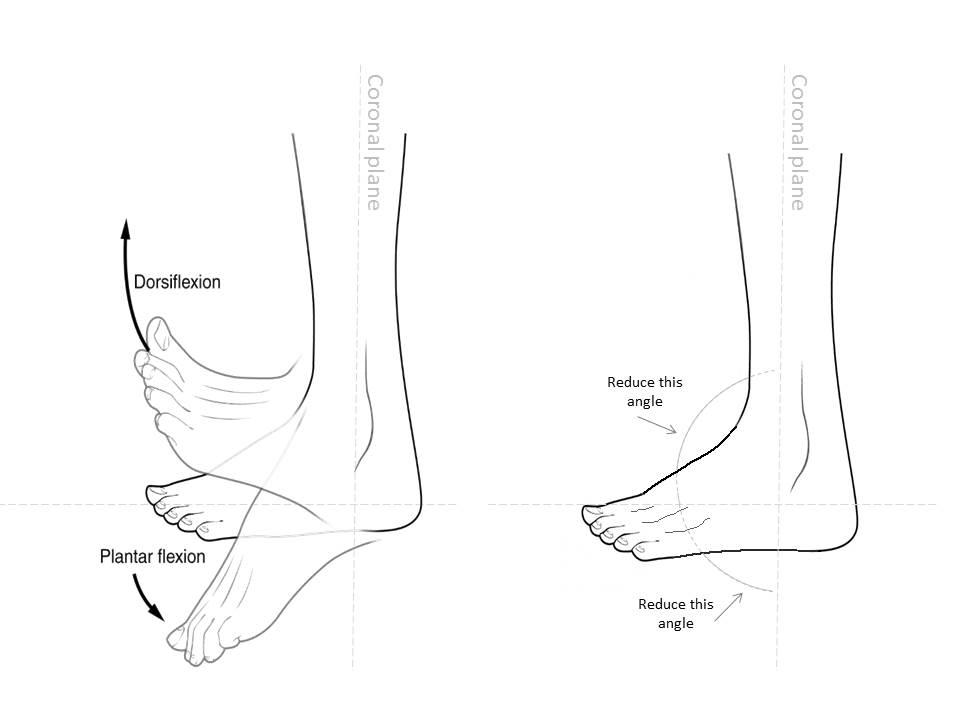
During the middle stages of weight bearing and just before pushing off the ground, the foot will reach its end range of dorsiflexion. When you bend your fingers back, this is dorsiflexion. Dorsiflexion and plantar flexion are ankle joint movements that occur at a hinge joint and the primary distinction between the two is the direction of flexion.
If Not, Additional Trials Were Proposed Until
Dorsiflexion involves just lifting the foot. The main difference between dorsiflexion and plantar flexion is that dorsiflexion is the action which decreases the angle between the leg and the dorsum of the foot whereas plantar flexion is the action which decreases the angle between the. As it is such a polyarticulating area with a wide variety of movements and allot of muscles spanning it, the ankle throws up many procedural issues, like positioning and alignment, and issues related to.
Ankle Dorsiflexion And Plantarflexion Exercises | On The Reformer, Trapeze Table And Chair.
Plantar flexion occurs when the foot is moved downward between 20 and 50. Dorsiflexion and plantar flexion are two different movements that can occur at the hand or at the foot. Plantar flexion involves lifting the whole body.
More Forward Lean Allows More Dorsiflexion And Less Plantar Flexion.
Flexing the toes so that they move closer to the shin 4. Plantar flexion of ankle inversion of foot. The top of the foot is called the dorsum of the foot.
The Cuff Forward Lean Angle Influences The Range Of Dorsiflexion And Plantar Flexion:
It means the flexion of the foot in the dorsal, or upward, direction. This is often used with respect to hands, feet, fingers, and toes. Sit on a bed or on the floor with your legs straight.